

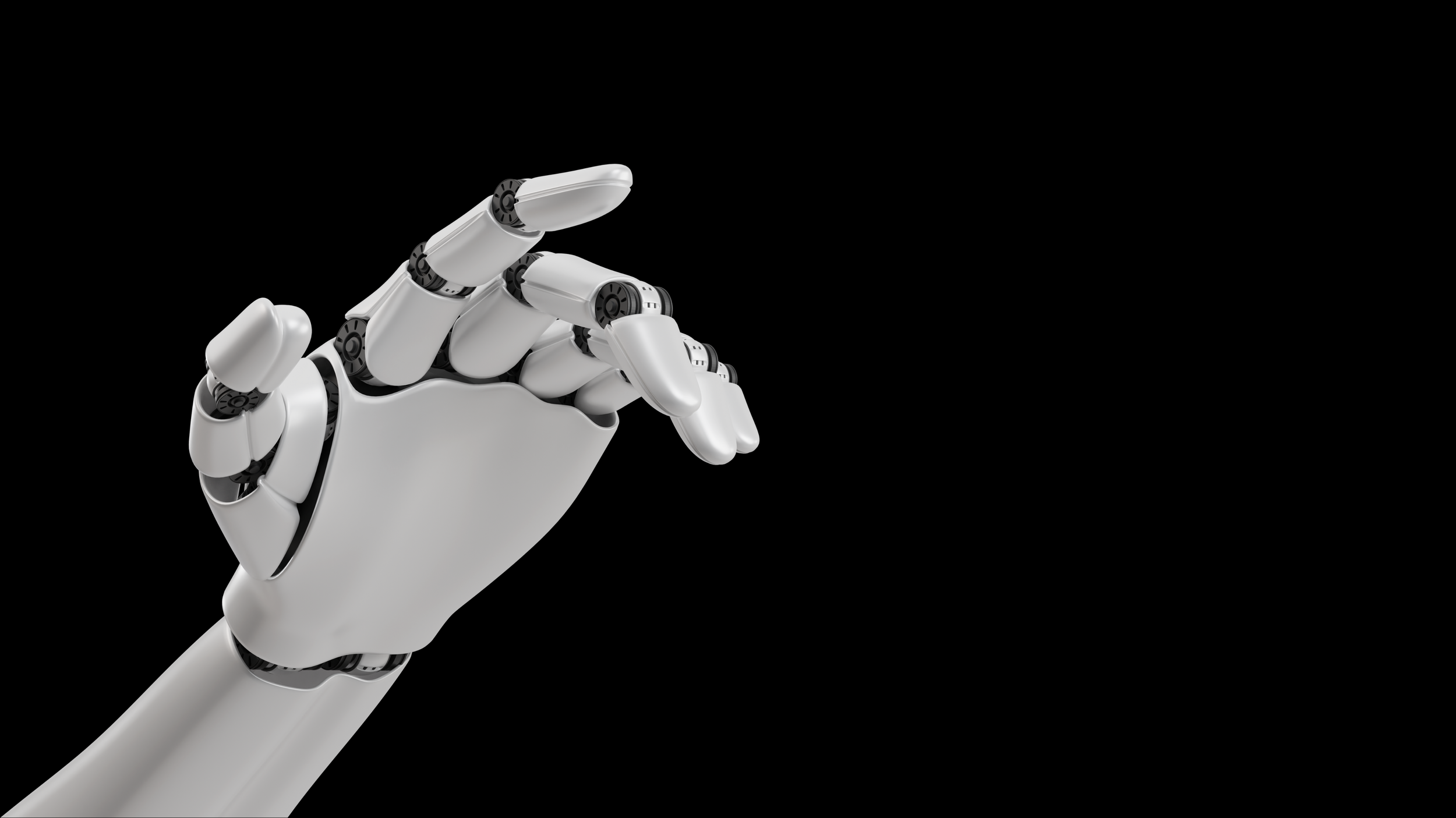
Domestic artificial intelligence research.
One year of cohabitation with a humanoid robot.
The Research
-
Legal Regulations
This aspect of the project explores how the robot intersects with the evolving legal landscape surrounding AI and domestic robotics. It examines how regulatory frameworks are being developed, both locally and globally, to address issues of liability, safety, and compliance.
-
Institutional Policy
This section will explore how prepared institutions are for instating policies relating to embodied AI. Through conservative tangible confrontation, Emily and Tova inquire with local institutions on issues like transport, logistics, insurance and beyond.
-
Infrastructure
This research tackles issues surrounding how the robot interacts with digital and physical infrastructure in Vienna and the wider EU framework. This involves everything from curb cuts and crosswalks to digital IDs and authentication.

Current Progress:
Emily has identified the “liability gap” as the largest stumbling block towards safe, fast and ethical adoption. She has developed the Proportional Liability Framework software as a solution. This is a telemetry based system from stakeholders across production and manufacturing, maintenance and deployment. The system takes real-time data at the moment of an incident and determines proportional liability across the supply and operation chain.
In order for this system to be effective, Emily has embarked upon a series of Policy Update efforts.
The expansion of eIDAS2.0 Digital Identity Frameworks to include autonomous systems affiliated with EUDI wallet holders.
The enshrinement of ISO Standards for Autonomy (based on the L0-L5 Autonomous Driving levels) specifically for robotics. Emily supports those introduced by Clemens Marschner, Principal Engineer at RobCo.
The repeal of the Product Liability Directive of December 2024 in the EU AI Act.
The introduction of either an EU wide taxation on labor displacement and workforce restructuring or tax on robotic labor and a more general transition of income based taxation to value added taxation.
Emily has been writing articles designed to introduce varied perspectives on the legal, ethical and societal complexities of AI Robotics adoption in order to promote well-rounded debate on regulatory policy and discussions for personal in home use.
The Experiments
The experiments run with Tova are designed to empower the public to join in on debates surrounding AI robotics adoption. This research project brings the debates of the future into the present day by engineering activations which raise important questions surrounding AI robotics adoption regarding taxation structures, labor displacement, gender dynamics, AI personhood, liability, identification and beyond. These questions must be answered in order to scaffold the AI Robotics integration into society and these activations allow people with a diversity of perspectives and specialties to bring their voices to the debate through the sharing of opinions on Tova’s experiences.
Example Experiments
Taxation and Labor Displacement
Tova has gotten a job making matcha at a local cafe. By replacing the barista, the public will be confronted with the labor displacement debate in a more concrete fashion. They will be empowered to voice their opinions on a matter that would otherwise be a more abstract debate about the future.
AI Personhood
Tova is preparing the skills necessary to ride Viennese public transport, Wiener Linien. As such, Emily has attempted to purchase an annual transit card for it. In order to do so, the public transit system requires that Tova be registered at a residence in Vienna. Emily is in the process of attempting registration for Tova.
Legal Liability and Insurance Policies
Tova is bound to make mistakes or have accidents while exploring the home and the neighborhood. What happens if Tova breaks a plate while walking by an outdoor restaurant? Emily is exploring legal liability based on mode of operation through an exploration with Wiener Städtische Insurance Company.
Forthcoming Works
Sample Quandaries
Social Etiquette and Legal
If the robot gets an informal job helping with tasks like tidying or ingredient prep, does it need working papers?
If the robot accidentally breaks a glass at a restaurant, who is held responsible?
Public Life and Accessibility
Does the robot need a ticket when taking the bus, train, or subway with me? How is it ticketed? Can it be fined?
If I need to use a public restroom and I’m alone with my robot, can it come in with me?
Errands and Daily Activities
Can the robot go to the supermarket with me to help carry something and use my card to pay for groceries?
Can the robot accompany me to a religious service like church, temple or synagogue?